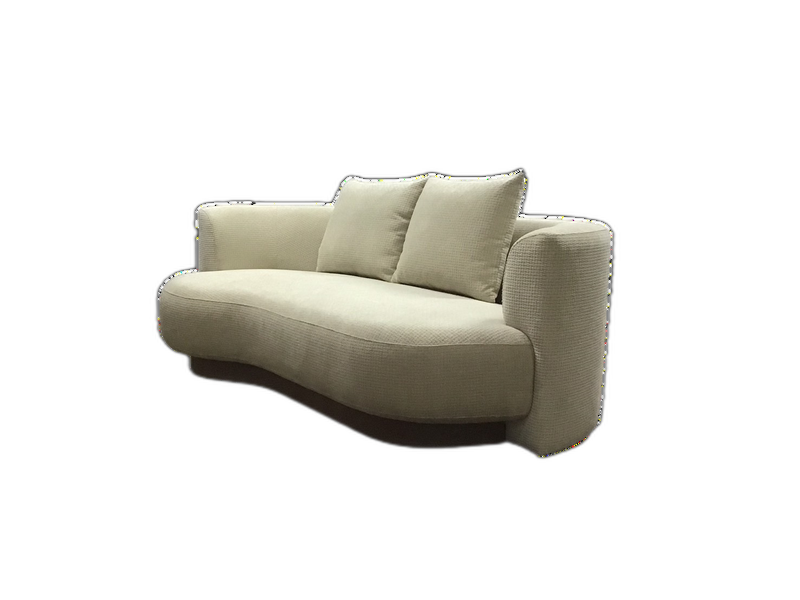
A disclosure first: Something Bespoke does not rent furniture. We design and build furniture to order, and we sell it. So this is not a neutral article in the sense of having no stake — but it is an honest one. There are situations where renting furniture in Bangkok, or simply taking a furnished unit, is clearly the right answer, and we would rather you made that decision with clear eyes than commissioned a sofa you will leave behind in a year.
THE THREE REAL OPTIONS
People who search for furniture rental in Bangkok are usually choosing between three things, not two.
A furnished condo. The landlord supplies the furniture. It is the default for most rentals in the city, and the cost is built into the rent.
An unfurnished unit plus rented furniture. You choose the unit for its location and layout, then rent furniture for a monthly fee. Useful when the right unit is unfurnished, or when the landlord's furniture is poor.
An unfurnished unit plus furniture you buy. Off the shelf, custom, or a mix. Higher upfront cost; the furniture is yours to keep, move or sell.
WHEN RENTING WINS
Short or uncertain stays. If your contract is a year or less, or you genuinely do not know whether you will still be in Bangkok in eighteen months, renting or taking a furnished unit is almost always the better choice. Buying furniture is a bet on staying.
You need a room working next week. Custom furniture takes 8–12 weeks for most pieces after design approval. Rental is immediate. Even people who intend to buy often rent or borrow a few basic pieces to bridge the gap.
Cash flow matters more than total cost. A monthly fee spreads the cost; buying concentrates it. That is a legitimate reason to rent even when buying works out cheaper over time.
You do not care much how the room feels. That is not a criticism. If home is a place you sleep between trips, rented furniture does the job.
WHEN BUYING WINS
You are staying several years. Rental fees accumulate indefinitely; a purchase is paid once. At some point — which depends entirely on the quotes you are comparing — the cumulative rental cost passes the purchase price, and every month after that is money that bought you nothing you keep.
The furniture has to fit an unusual room. Rental stock comes in standard sizes. If your living room is long and narrow, or you need a sofa to fit a specific wall, or storage to fit an alcove, standard sizes compromise the room for as long as you live in it.
You own the unit, or will. If the condo is yours, furniture is part of the home rather than an expense against a lease. Built-in storage in particular adds to the unit itself.
You want the furniture to come with you. Well-made furniture outlasts a posting. A sofa or dining table you love can be shipped onwards; rented furniture stays behind.
HOW TO DO THE MATHS (WITHOUT ANYONE'S MARKETING NUMBERS)
We are not going to quote rental prices for Bangkok — they vary by supplier, quality and contract length, and any figure we gave would be out of date. Instead, here is the structure to use with real quotes in hand.
Cost of renting = monthly fee × months you expect to stay + delivery and collection fees + any deposit you will not get back + damage charges at the end.
Cost of buying = purchase price + delivery − what the furniture is worth when you leave (resale value, or its value to you if you ship it onwards) + the cost of shipping or disposing of it.
Then compare the two at three durations: your expected stay, half of it, and double it. If buying only wins at double your expected stay, rent. If it wins at half, buy. If the answer flips in the middle, the decision is really about how confident you are in your plans — and about whether the room needs something rental stock cannot provide.
THE QUESTION PEOPLE FORGET: WHAT HAPPENS WHEN YOU LEAVE?
Buying is not just a purchase; it is an eventual exit. Before buying anything, decide which of three things will happen to it.
It comes with you. Then it should be designed to travel — a sofa that breaks down into sections, a table with a removable base, timber dried properly so it survives a change of climate. Custom furniture can be designed for this from the start. If you are already thinking about moving onwards, our notes on shipping to Singapore and Australia cover the practicalities.
It is sold. Resale values for furniture are unpredictable everywhere, and Bangkok is no exception. Do not build a purchase decision on an optimistic resale figure.
It stays in a unit you own. If you own the condo and will rent it out after you leave, the furniture becomes part of a furnished rental. Specify it with tenants in mind — see furnishing a rental-investment condo in Bangkok.
A MIXED APPROACH OFTEN MAKES MOST SENSE
The choice does not have to be all or nothing. A common pattern among people staying a few years: take a furnished or part-furnished unit, live with the landlord's basics, and commission only the one or two pieces that make the most difference to daily life — usually the sofa and the bed, sometimes a dining table. Those are the pieces you use every day, the ones where fit and comfort matter most, and the ones most worth taking with you.
If you do decide to buy custom, our custom sofa and custom furniture pages explain how a commission works. Published starting prices, a fixed quote before production, a 5-year structural and 2-year upholstery warranty, and delivery and installation included in Thailand — so the buying side of the comparison is easy to fill in.
Talk Through the Numbers
If you are weighing rental against buying, tell us how long you expect to stay and what the room needs. We will give you a fixed price to compare — and tell you honestly if renting looks like the better fit.
Get in Touch